
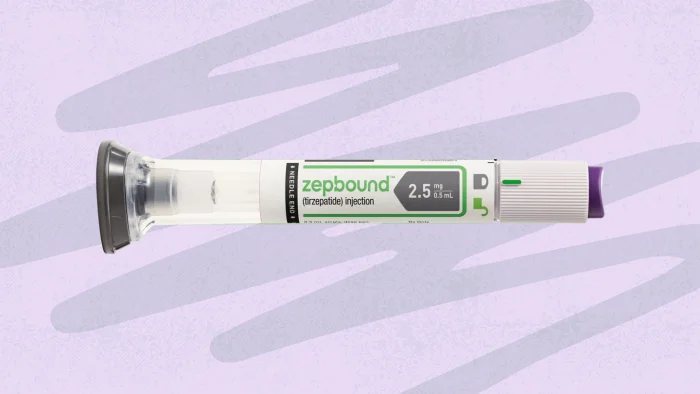
THE SHORT ANSWER
Do ACA Marketplace Plans Cover Zepbound?
Coverage Is Rare—And Declining in 2026
Only 8.7% of Marketplace carriers (26 out of 300) cover GLP-1 weight loss medications like Zepbound in 2026—and access is shrinking. According to a 2026 carrier analysis, the number of enrollees with GLP-1 obesity coverage has dropped from 3.6 million in 2024 to approximately 2.8 million in 2026. When covered, 100% require prior authorization (pre-approval from your insurer before filling the prescription).[1]
The Affordable Care Act requires Marketplace plans to cover 10 essential health benefits—but weight loss medications are not considered essential and are routinely excluded.
For context: across all commercial insurance (including employer plans), GoodRx research shows 51% of people have no coverage for Zepbound as of November 2025—and Marketplace plans are even more restrictive than employer plans.[2]
- Individual and family Marketplace plans almost never cover weight loss drugs
- Coverage requirements are strict: Most plans require BMI ≥40 (morbid obesity) plus 3-9 months of documented diet/exercise attempts[1]
- If covered at all, 100% require you to get pre-approval first
Bottom line: Don't assume your Marketplace plan will cover Zepbound—and coverage is getting harder to find in 2026. Before enrolling or filling a prescription, verify coverage using the steps below.
The Mounjaro Workaround
If you also have type 2 diabetes, your plan might cover Mounjaro—which contains the exact same active ingredient as Zepbound (tirzepatide). While Mounjaro is only FDA-approved for diabetes, many patients experience significant weight loss on it. Ask your doctor if this option makes sense for you.
For a complete overview of getting Zepbound covered regardless of insurer, see our full coverage guide.
Your GLP-1 coverage,
denied approved
✓ Free Templates✓ Premium Support Available
I was denied coverage for...
Get starteddenied approved
Honest Care helps patients fight back:
Evidence-backed appeal letters — plus personalized guidance to appeal with confidence.
"I found Honest Care online and was very impressed with the letter... the appeal worked!"
"My Appeal was approved the next day. Thank you Honest Care!"
STEP-BY-STEP ON HEALTHCARE.GOV
How to Check Coverage
Before enrolling in a Marketplace plan, you can check if Zepbound is covered by looking at the plan's formulary (the official list of drugs the plan covers). Here's how:
Note: These steps are for Healthcare.gov (used in most states). If your state runs its own marketplace (like California, New York, or Colorado), visit your state's exchange website instead—the process is similar.
Go to Healthcare.gov
Visit Healthcare.gov and start your application or log in to your existing account. Enter your ZIP code and household information to see available plans in your area.
Select a Plan to Review
Browse the available plans and click on one you're considering. Look for the "View benefits and coverage" or "Plan details" link.
Find the Drug Formulary
Look for a link labeled "Drug List (Formulary)" or "Covered medications." This is usually a downloadable PDF containing all covered drugs.
Search for Zepbound
Open the formulary PDF and use your browser's search function (Ctrl+F on PC, Cmd+F on Mac) to look for "Zepbound" or "tirzepatide" (the generic name). If you find it, check:
- Is it listed for weight loss or only for diabetes?
- Does it require pre-approval or trying other drugs first?
- What tier is it on? (Higher tiers = higher copays)
Call to Confirm
Even if Zepbound appears on the formulary, call the plan's customer service to confirm coverage for weight loss specifically. Some plans only cover tirzepatide for diabetes (as Mounjaro).
What to Say When You Call
"Hi, I'm thinking about enrolling in [PLAN NAME] and I need to check if a specific medication is covered. Can you help me with these questions?"
- "Does this plan cover Zepbound for weight loss?"
- "Is it on the drug list? What tier?"
- "Do I need pre-approval before I can fill the prescription?"
- "What do I need to qualify—a certain BMI or health conditions?"
- "Can you email me this information so I have it in writing?"
Pro tip: Get confirmation in writing or note the date, representative's name, and reference number. Verbal confirmations aren't binding.
Alternative: You can also use Lilly's coverage checker tool to verify if your specific insurance plan covers Zepbound—have your prescription card handy.[3]
WHICH TIERS ARE MOST LIKELY TO COVER?
Metal Tier Comparison
Marketplace plans are organized into four "metal tiers" based on how costs are split between you and the insurance company. Here's how each tier typically handles Zepbound:
| Metal Tier | Premium | Zepbound Coverage | Notes |
|---|---|---|---|
| Bronze | Lowest | Very Unlikely | Minimal formularies; almost never covers weight loss drugs |
| Silver | Low-Mid | Unlikely | Most popular tier; still typically excludes weight loss |
| Gold | Mid-High | Rare but possible | Broader formularies; some may cover with PA |
| Platinum | Highest | Rare but possible | Most comprehensive; best chance (still <1%) |
Why Higher Tiers Aren't Much Better
While Gold and Platinum plans have broader formularies and lower cost-sharing, the decision to cover weight loss medications is made at the plan level—not the tier level. Most ACA insurers exclude these drugs across all their metal tiers.
Don't choose a more expensive plan solely for Zepbound coverage without verifying it's actually on the formulary.
What About Subsidies?
If you qualify based on income, the government can help pay part of your monthly premium (this is called a "subsidy" or "premium tax credit"). However:
- Subsidies don't change which drugs are covered—the plan's drug list stays the same whether you get help paying or not
- Extra savings on Silver plans can reduce your copays, but they won't add Zepbound to the drug list if it's not already covered
- Bottom line: Subsidies help with your monthly bill, not Zepbound coverage
2026 DEADLINES & HOW TO ENROLL
Open Enrollment
You can only enroll in or switch Marketplace plans during specific periods:
2026 Open Enrollment Dates
November 1, 2025 – January 15, 2026[8]
- Enroll by December 15, 2025 → Coverage starts January 1, 2026
- Enroll December 16, 2025 – January 15, 2026 → Coverage starts February 1, 2026
Special Enrollment Periods (SEPs)
Outside of Open Enrollment, you can enroll or switch plans if you have a qualifying life event:
Qualifying Life Events
- Loss of other coverage (job loss, aging off parent's plan)
- Marriage or divorce
- Birth or adoption of a child
- Moving to a new ZIP code or county
- Change in income affecting subsidy eligibility
- Loss of Medicaid or CHIP coverage
You typically have 60 days from the qualifying event to enroll.
Should You Switch Plans for Zepbound?
If you're currently on a Marketplace plan that doesn't cover Zepbound, consider during Open Enrollment:
- Check if ANY Marketplace plans in your area cover it (use the formulary search steps above)
- Compare total costs—a higher premium plan that covers Zepbound may still cost less than paying out-of-pocket ($1,000+/month)
- Consider alternatives—if no Marketplace plans cover Zepbound, explore self-pay options like Lilly's savings programs
YOUR APPEAL RIGHTS
If Your Plan Denies Zepbound
Appeals Work
39-59% of commercial insurance appeals succeed when patients fight back—and KFF analysis shows 44% for ACA Marketplace plans specifically. Under the ACA, you have a legal right to appeal any coverage denial—and the process is free.[4][5]
If your Marketplace plan denies Zepbound, here's what to do:
Request the Denial in Writing
Get a written explanation with the specific reason for denial. Common reasons include:
- "Not medically necessary"
- "Excluded benefit" (the plan doesn't cover weight loss drugs at all)
- "Does not meet criteria" (you don't meet BMI or health condition requirements)
- "Step therapy not completed" (you must try cheaper drugs first)
File an Internal Appeal
Under federal law, you have 180 days (6 months) to file an appeal. The insurance company must have someone new review your case—not the same person who denied you the first time.
Your appeal should include:
- A letter from you explaining why you need Zepbound
- A letter from your doctor explaining why it's medically necessary
- Your health information (BMI, weight-related conditions, what you've already tried)
- Research showing Zepbound works for people like you
Request External Review (If Needed)
If your appeal is denied, you can ask for an external review. This means an independent reviewer (not your insurance company) looks at your case. Here's what's great about it:
- It's free—you don't pay anything
- It's final—if they rule in your favor, your insurance company must cover you
- It's fast—they must decide within 45 days (or 72 hours if it's urgent)
What If Your Plan Excludes All Weight Loss Drugs?
If your plan doesn't cover any weight loss medications (not just Zepbound), an appeal probably won't work. But you still have options:
- Switch plans during Open Enrollment to one that does cover weight loss drugs
- Check for sleep apnea coverage—Zepbound is also FDA-approved for obstructive sleep apnea in people with obesity, and some plans cover it for that reason
- Check Medicaid—if you qualify based on income, some state Medicaid programs cover Zepbound (note: California ended coverage Jan 1, 2026; check your state's current status)[3]
- Pay out-of-pocket—LillyDirect ($299–$449/month; TrumpRx lists the same prices), or Foundayo ($149–$299/month oral GLP-1)[3]
Have Insurance But No Zepbound Coverage?
If you have commercial insurance (like a Marketplace plan) but your plan doesn't cover Zepbound, you may still qualify for Lilly's Savings Card. Note: 2026 savings caps have been reduced. Monthly savings are now capped at $100/month (down from $150 in 2025), with an annual cap of $1,300/year. Maximum 13 fills per year.[3]
Self-pay options: LillyDirect ($299–$449/month; TrumpRx lists the same prices), or Foundayo ($149–$299/month oral GLP-1, approved April 2026).
Important: The savings card expires December 31, 2026. Check Lilly's website for current terms.
For detailed appeal strategies, see our complete Zepbound appeals guide.
denied approved
Honest Care helps patients fight back:
Evidence-backed appeal letters — plus personalized guidance to appeal with confidence.
WHAT'S CHANGING
2026 Outlook
Marketplace GLP-1 coverage is declining in 2026, not expanding. Several major insurers have announced they're dropping weight loss drug coverage effective January 1, 2026, citing unsustainable costs.[10]
Major Insurers Dropping Coverage in 2026
Coverage Cuts Announced
- Blue Cross Blue Shield of Massachusetts — Ending coverage for Wegovy, Saxenda, and Zepbound for weight loss (continues for diabetes/CVD)[10]
- NH Healthy Families — Ending weight loss medication coverage January 1, 2026
- MVP of Vermont — Removing GLP-1 weight loss coverage
- Milton, MA plans — Excluding all GLP-1s except for type 2 diabetes
Insurers cite high costs as the primary driver—BCBS of Massachusetts alone spent over $300 million on five GLP-1 drugs in 2024. Premium reductions of approximately 3% are expected from these cuts.[10]
States With Marketplace GLP-1 Coverage
Only nine states have any Marketplace plans covering GLP-1s for obesity in 2026:[1]
- California — Some carriers cover with restrictions
- North Dakota — All carriers cover (best state for coverage)
- New York — Limited carrier coverage
- Vermont — Coverage declining (MVP dropping)
- Pennsylvania — Some carriers cover
- West Virginia — Limited coverage available
- Rhode Island — Some carriers cover
- Delaware — Limited coverage available
- Georgia — Some carriers cover
If you're in one of these states, check formularies carefully during Open Enrollment—coverage varies significantly by carrier and plan.
Medicare/Medicaid Changes in 2026
BALANCE Model Announced (December 23, 2025)
CMS announced the BALANCE Model (Better Approaches to Lifestyle and Nutrition for Comprehensive hEalth)—a voluntary model offering reduced GLP-1 pricing in Medicaid and Medicare Part D.[11]
- Medicaid: Voluntary for states, which can join between May 2026 and January 1, 2027; no participating state has been confirmed
- Medicare GLP-1 Bridge (separate program, live): July 1, 2026 – December 31, 2027, $50 per monthly fill copay; Part D plans and pharmacies don’t opt in, and you don’t enroll separately; your prescriber must get prior authorization
- BALANCE in Part D: Delayed, with no new start date
Also: TrumpRx launched February 5, 2026. TrumpRx lists the manufacturers’ own self-pay prices (not a separate, cheaper price); for Zepbound that's the LillyDirect price ($299–$449/month), available to anyone regardless of insurance.
Note: These Medicare programs don't affect ACA Marketplace plans directly, but it signals potential policy shifts. For now, Marketplace coverage remains limited.
MARKETPLACE ZEPBOUND COVERAGE
Frequently Asked Questions
Rarely, and coverage is declining. Only about 8.7% of Marketplace carriers (26 out of 300) cover GLP-1 weight loss medications like Zepbound in 2026—down from previous years. Weight loss drugs aren't considered "essential" under the Affordable Care Act, so most plans exclude them. When covered, 100% require prior authorization, and most require BMI ≥40 plus documented diet/exercise attempts.
On Healthcare.gov, select a plan and look for the "Drug List" or "Formulary" link. Search for "Zepbound" in that list. Even if you find it, call the plan to make sure it's covered for weight loss—some plans only cover it for diabetes (under the name Mounjaro). You can also use Lilly's free coverage checker.
Not really. Higher-tier plans have broader drug lists, but coverage for weight loss drugs is decided by each insurance company—not by tier. Most insurers exclude Zepbound across all their plans. Don't pay for a more expensive plan just for Zepbound unless you've confirmed it's actually covered.
Open Enrollment for 2026 coverage runs November 1, 2025 through January 15, 2026. Sign up by December 15, 2025 to have coverage start January 1, 2026. Outside Open Enrollment, you can only sign up if you have a major life change (like losing other coverage, getting married, or having a baby)—you'll have 60 days to enroll.
Yes, and you should. About 44% of appeals succeed for Marketplace plans. You have 6 months to file an appeal, and if that fails, you can request an external review where an independent reviewer makes the final call—and their decision is binding on your insurer. However, if your plan excludes all weight loss drugs, an appeal is unlikely to help.
No. Subsidies (premium tax credits) lower your monthly insurance bill, but they don't change which drugs are covered. The plan's drug list is the same whether you get financial help or not. If you can't get coverage, Lilly offers self-pay vials at $299–$449/month through LillyDirect. Note that the 2026 savings card caps savings at $100 per 1-month fill (max $1,300 a year (13 fills)).
Only nine states have any Marketplace plans covering GLP-1s for obesity in 2026: California, North Dakota (best coverage—all carriers), New York, Vermont, Pennsylvania, West Virginia, Rhode Island, Delaware, and Georgia. Coverage varies significantly by carrier, so check formularies during Open Enrollment.
Yes, with conditions, through the Medicare GLP-1 Bridge. Basic Part D coverage excludes drugs used for weight loss, but the separate Bridge (July 1, 2026 – December 31, 2027), which runs outside the Part D benefit, covers the Zepbound KwikPen for $50 per monthly fill for Part D enrollees who meet CMS's eligibility criteria. Part D plans and pharmacies don’t opt in, and you don’t enroll separately; your prescriber must get prior authorization. The separate BALANCE Model in Part D is delayed, with no new start date. Also: TrumpRx (launched February 2026) lists LillyDirect's self-pay prices (available to anyone). This doesn't affect Marketplace plans directly.
YOUR PATH FORWARD
What's Next
Zepbound Coverage: Other Insurance Options
Coverage varies significantly by plan type. See our guides for specific insurers:
- Blue Cross Blue Shield — Major 2026 coverage restrictions announced
- Aetna — Most plans exclude; limited employer exceptions with PA
- Cigna — Cigna plans may require step therapy; check your plan’s policy
- Medicare — basic Part D coverage excludes drugs used for weight loss; the separate Medicare GLP-1 Bridge covers the Zepbound KwikPen (with conditions, including prior authorization)
- Medicaid — State-by-state coverage varies widely
Other GLP-1 Medications on Marketplace Plans
Marketplace coverage varies by medication. Compare your options:
References
- 2026 ACA Marketplace Carrier Analysis. (2025, December). Analysis of 300 Marketplace carriers for 2026 plan year showing only 8.7% (26 carriers) cover GLP-1 medications for obesity; enrollee access declined from 3.6 million (2024) to 2.8 million (2026); coverage typically requires BMI ≥40 and 3-9 months documented diet/exercise. States with coverage: CA, ND, NY, VT, PA, WV, RI, DE, GA.
- GoodRx Research. (2025, November). "Live Updates: Tracking Insurance Coverage for GIP and GLP-1 Agonists Like Zepbound and Wegovy." Data sourced from Managed Markets Insight & Technology (MMIT) showing 51% of commercial insurance has no coverage for Zepbound; CVS Caremark made Zepbound nonpreferred or excluded on some commercial formularies from July 2025 (it was added back as an additional preferred option October 1, 2026). goodrx.com
- Eli Lilly. (2026). "Zepbound Coverage & Savings." Official coverage checker and savings card terms for 2026. Savings card: up to $100/month savings (reduced from $150 in 2025), $1,300/year cap, maximum 13 fills/year. Self-pay vials via LillyDirect: $299-$449/month. Expires 12/31/2026. zepbound.lilly.com
- American Medical Association (AMA). (2024, October 3). "Over 80% of Prior Auth Appeals Succeed—Why Aren't There More?" Analysis citing KFF data: 39-59% success rate for commercial insurance appeals; 80%+ for Medicare Advantage. ama-assn.org
- Kaiser Family Foundation (KFF). (2025, January). "Claims Denials and Appeals in ACA Marketplace Plans in 2023." Analysis showing 44% internal appeal success rate for ACA plans; less than 1% of denials are appealed. kff.org
- Healthcare.gov. (2026). "Internal Appeals." ACA appeal rights including 180-day filing deadline per 45 CFR § 147.136. healthcare.gov
- Healthcare.gov. (2026). "External Review." External review process: 45-day standard timeline, 72-hour expedited; decisions are binding on insurer. healthcare.gov
- CMS. (2025, October). "Marketplace 2026 Open Enrollment Fact Sheet." Open enrollment November 1, 2025 – January 15, 2026; December 15, 2025 deadline for January 1, 2026 coverage. cms.gov
- Healthcare.gov. (2026). "What Marketplace health insurance plans cover." Overview of 10 essential health benefits under ACA (weight loss drugs not included). healthcare.gov
- Blue Cross Blue Shield of Massachusetts. (2025, November). "2026 Plan Changes." Announced discontinuation of Wegovy, Saxenda, and Zepbound coverage for weight loss effective January 1, 2026; coverage continues for type 2 diabetes and cardiovascular indications. Premium reductions of ~3% attributed to GLP-1 exclusions. Similar coverage cuts announced by NH Healthy Families and MVP of Vermont.
- CMS. (2025, December 23). "BALANCE Model Announcement." Better Approaches to Lifestyle and Nutrition for Comprehensive hEalth—voluntary model with negotiated GLP-1 pricing for state Medicaid programs and Medicare Part D. Medicaid track voluntary for states (no participating state confirmed as of October 2026); Part D track later delayed with no new start date. The separate Medicare GLP-1 Bridge runs July 1, 2026 – December 31, 2027 ($50/month copay). cms.gov
Last updated October 6, 2026
Disclaimer
The information on this page is for educational and informational purposes only and is not intended as medical advice. Honest Care does not provide medical diagnosis, treatment, or individualized recommendations. Always seek the advice of your physician or other qualified healthcare professional regarding any medical condition or treatment.
While this content has been reviewed for accuracy and balance, new evidence may emerge after publication. Drug availability, indications, and insurance coverage can change over time. Honest Care makes no warranties as to completeness or currentness of the information and is not responsible for decisions made based on this content.