
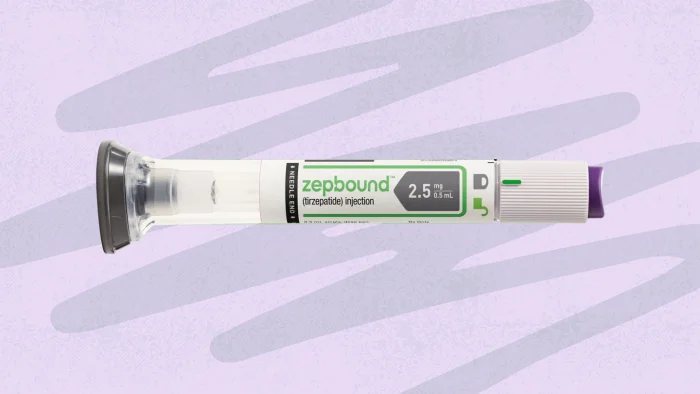
PRIOR AUTHORIZATION BASICS
Quick Answer
Short answer: Most employer and ACA plans must decide a Zepbound prior authorization within 15 days (72 hours if urgent), and many decide sooner. Most insurers require BMI ≥30 (or ≥27 with a qualifying condition), documented lifestyle attempts, and sometimes prior medication trials—but requirements vary by plan.
What do I need for Zepbound prior authorization?
- BMI documentation: ≥30 or ≥27 with comorbidity (hypertension, diabetes, sleep apnea)
- Lifestyle modification: Documented diet/exercise attempts (the required length varies by plan)
- Step therapy: Some insurers require trying cheaper meds first
Who this guide is for
Patients starting the PA process, waiting on a decision, or recently denied and considering next steps.
Your GLP-1 coverage,
denied approved
✓ Free Templates✓ Premium Support Available
I was denied coverage for...
Get starteddenied approved
Honest Care helps patients fight back:
Evidence-backed appeal letters — plus personalized guidance to appeal with confidence.
"I found Honest Care online and was very impressed with the letter... the appeal worked!"
"My Appeal was approved the next day. Thank you Honest Care!"
UNDERSTANDING THE BASICS
What Is Prior Authorization?
Prior authorization (PA) is insurance approval required before your pharmacy can fill your Zepbound prescription. Your insurer reviews whether you meet their medical necessity criteria (their standards for deciding if a treatment is medically needed for you)—things like BMI (body mass index), comorbidities (other health conditions like diabetes or high blood pressure), and sometimes prior medication trials.[1] This is standard for GLP-1 weight loss medications, not a denial.
Key Point
In practice, your doctor's office submits the PA, because the insurer needs your prescriber's clinical information. But you can prepare documentation ahead of time and follow up to speed the process.
Think of it this way: your doctor writes the prescription, but your insurance company needs to verify you qualify under their guidelines before they'll pay for it. For most employer and ACA plans, federal rules require a decision within 15 days (72 hours if urgent); complete documentation helps avoid delays.[4]
Why Do Insurers Require PA for Zepbound?
STEP BY STEP
The PA Process
Here's what happens after your doctor writes a Zepbound prescription:
Doctor Writes Prescription
Your provider sends the Rx to your pharmacy. This starts the process.
Pharmacy Attempts to Fill
The pharmacy runs it through your insurance. The system automatically flags that PA is required.
Doctor's Office Submits PA
Your provider's office is notified and submits the PA request with your medical documentation. You don't submit this directly.
Insurer Reviews
The insurance company checks if you meet their specific criteria for Zepbound coverage.
Decision Communicated
You'll get approved, denied, or they'll request more information. Your doctor's office may hear first.
Timeline Expectations
| Scenario | Expected Timeline | Your Action |
|---|---|---|
| Complete documentation | Can be faster than the legal maximum; varies by plan | Wait for notification |
| Standard (non-urgent) request | Up to 15 days (one 15-day extension allowed) under federal rules for most employer and ACA plans[4] | Follow up after 5 days |
| Plan asks for missing information | The plan must say what's missing; you get at least 45 days to send it | Provide requested docs ASAP |
| Urgent request | 72 hours (federal rule for urgent requests)[4] | Ask doctor to flag as urgent |
Speed Tip
Incomplete documentation is the #1 cause of delays. Come to your appointment prepared with your weight history, comorbidity diagnoses, and prior weight loss attempts documented. Zepbound prior authorization checklist →
PRIOR AUTH REQUIREMENTS
What You Need to Qualify
While exact criteria vary by insurer, here are the standard requirements for Zepbound prior authorization. Some insurers also require step therapy (trying other medications first).
| Requirement | Standard Threshold | Notes |
|---|---|---|
| BMI | ≥30 (obese) OR ≥27 with comorbidity | Some insurers stricter (e.g., ≥35 required) |
| Qualifying comorbidities | High blood pressure, type 2 diabetes, high cholesterol, sleep apnea | At least one if BMI 27-29.9 |
| Lifestyle modification | Varies by plan (see the insurer table below) | Diet/exercise, some require programs |
| Step therapy | Varies by insurer | May require prior med trials |
Qualifying Comorbidities
Insurers commonly accept these conditions at BMI 27-29.9. Make sure your medical records include the proper diagnosis codes (ICD-10 codes are the standard billing codes doctors use):[2]
- High blood pressure — code I10
- Type 2 diabetes — code E11
- High cholesterol (dyslipidemia) — code E78.5
- Sleep apnea (obstructive) — code G47.33
What Is Step Therapy?
Some insurers require you to try cheaper weight loss medications first before approving Zepbound. Common step therapy drugs include:
- Phentermine
- Contrave (naltrexone/bupropion)
- Qsymia (phentermine/topiramate)
- Wegovy (semaglutide), on some plans
Already Tried These?
If you've previously tried weight loss medications, document: dates, doses, duration, outcomes, and why you stopped. Had side effects or contraindications? Note those too—this can satisfy step therapy requirements.
Step therapy is a common reason for delays. Come prepared with your prior medication history.
Want your insurer's exact criteria? Zepbound prior authorization requirements by insurer →
QUICK REFERENCE
Requirements by Insurer
Requirements vary significantly by insurer. Here's a quick reference—but always verify with your specific plan.
| Insurer | BMI | Step Therapy | Initial Approval | Key Notes |
|---|---|---|---|---|
| Aetna | ≥30 or ≥27+comorbid | None in standard criteria; at least 6 months in a weight-management program | 8 months (standard criteria) | Lifestyle only, no med step therapy |
| BCBS (standard) | ≥30 or ≥27+comorbid | Varies by plan | Varies by plan | Check your specific plan |
| UHC | ≥30 or ≥27+comorbid | None in UHC's policy | 6 months | Coverage varies—check your specific plan |
| Cigna | ≥30 or ≥27+comorbid | None in Cigna's policy; at least 3 months of behavioral modification and dietary restriction | 8 months | Check plan details (many Cigna plans exclude weight-loss drugs) |
| CVS Caremark | — | Some plans may require trying another drug first; check your plan’s criteria | — | Since October 1, 2026, Zepbound is back on CVS Caremark’s commercial template formularies as an additional preferred option (plan sponsors can customize) (from July 2025 to September 2026 it was nonpreferred or excluded on some of its most common commercial formularies) |
Aetna Note
Aetna's standard criteria require at least 6 months in a weight-management program rather than medication step therapy—meaning you may not need to try other weight loss drugs first. Initial approval under the standard criteria is 8 months; your plan may use different criteria. Check your specific plan for details.[5]
UHC Coverage Note
UnitedHealthcare coverage for Zepbound varies significantly by plan. Some UHC plans cover weight loss medications as an optional benefit, while others only cover Zepbound for obstructive sleep apnea (OSA). Always verify your specific plan's coverage before assuming approval or denial.[6]
Requirements change frequently. Always verify current criteria with your specific plan.
Need the complete breakdown? full Zepbound PA requirements by insurer →
CVS CAREMARK CHANGE
2025 Update
July 2025 Change
From July 1, 2025, CVS Caremark made Wegovy preferred, and Zepbound was nonpreferred or excluded on some of its most common commercial formularies (lists of covered medications), not all.[7] Members with an active Zepbound PA did not need a new PA to switch to Wegovy. Update: Since October 1, 2026, Zepbound is back on CVS Caremark’s commercial template formularies as an additional preferred option (plan sponsors can customize), alongside Wegovy. Employers and plans can customize their formulary, so check your own plan.
What This Means for You
| Date | What Happened |
|---|---|
| July 1, 2025 | Zepbound nonpreferred or excluded on some of CVS Caremark's most common commercial formularies |
| July 1, 2025 | Wegovy preferred; members with an active Zepbound PA could switch to Wegovy without a new PA |
| October 1, 2026 | Zepbound added back to CVS Caremark's commercial template formularies as an additional preferred option, alongside Wegovy (plan sponsors can customize) |
Your Options
Option 1: Plan still excludes Zepbound?
Some employer plans customize their formulary. If yours still excludes Zepbound, request a formulary exception with documentation of medical necessity (including any prior Wegovy trial and its outcome). Submit via fax or ePA.
Option 2: Asked to try another drug first?
Some plans may require trying another drug first; check your plan’s criteria. If your plan requires a step and you've already tried another drug, document it in the request.
Option 3: Self-pay?
LillyDirect offers the Zepbound KwikPen or vials at $299–$449/month, bypassing insurance entirely. See current pricing →
DON'T GIVE UP
What If Denied?
Appeals Work
Over 65% of appealed commercial insurance denials are overturned when properly documented (80%+ for Medicare Advantage[8])—yet fewer than 10% of patients ever appeal. Most plans give you at least 180 days to file an internal appeal (check your denial letter for your plan's exact deadline).[4]
A denial isn't the end—it's a starting point. Here's what to do:
- Get your denial letter with the specific reason
- Identify what was missing from your documentation
- Gather additional evidence (labs, records, letter of medical necessity)
- Submit internal appeal within your plan's deadline (180 days for employer and ACA plans under federal rules; your denial letter gives the exact deadline)
- If denied again → Request external review (40-60% success rate)[4]
Just got denied? Start with our Zepbound Denied guide for immediate next steps, then come back here for your specific denial type.
Common Denial Reasons & How to Appeal
Click your denial reason for specific appeal strategies:
- Denied for "Not Medically Necessary" — The most common denial. Counter with clinical evidence.
- Denied for Step Therapy — Required to try other meds first? Request an exception.
- Denied for BMI Criteria — BMI requirements vary by insurer. See the breakdown.
- Not on Formulary — Zepbound excluded from your plan? Request a formulary exception.
- Missing Lifestyle Documentation — Need proof of diet/exercise attempts? Templates inside.
Need Zepbound while your appeal is processing? Many patients use LillyDirect ($299–$449/month, no insurance needed) to start treatment while waiting—then switch to insurance once approved.
Plan excludes Zepbound entirely? Other GLP-1s like Wegovy, Mounjaro, or Foundayo (a GLP-1 pill, approved April 1, 2026—$149–$299/month self-pay, as little as $25 with coverage and the savings card) may have different coverage. Compare alternatives →
Alternative: Sleep Apnea (OSA) Pathway
If you have sleep apnea symptoms, Zepbound is FDA-approved for OSA and may have different PA requirements. Some plans that exclude weight-loss drugs still cover Zepbound for OSA: for example, UHC’s commercial sleep apnea policy (P 1475-3) is Zepbound-only: BMI ≥30 and an AHI, REI or RDI over 15, plus other conditions; 6-month first approval. On Medicare: Your Part D plan may cover Zepbound for moderate-to-severe sleep apnea, usually with prior authorization. Learn about the OSA pathway →
Need help with your appeal? Zepbound appeal guide →
WHAT'S CHANGING
Prior Authorization Outlook for 2026
Coverage Restrictions Expanding
Some insurers are tightening—not loosening—GLP-1 coverage in 2026, adding exclusions or stricter PA criteria. However, new direct-purchase options provide alternatives.
Confirmed for 2026
Health New England Dropping Coverage
Health New England stopped covering Saxenda, Wegovy and Zepbound for weight loss for Individual and Small Group members on January 1, 2026 (large groups at renewal unless the employer buys a rider). Existing prior authorizations end at the plan's renewal date (no grandfathering).
No Prior Auth Grandfathering
Some insurers have confirmed there will be no grandfathering (keeping coverage under old rules) of prior authorizations upon group anniversaries in 2026. Even if you have an approved prior auth, coverage may need to be reapproved under new terms at renewal—check with your plan.
TrumpRx Direct-Purchase Program (Live)
The TrumpRx program launched February 5, 2026 at TrumpRx.gov—no prior authorization required. TrumpRx lists the manufacturers’ own self-pay prices (not a separate, cheaper price): Zepbound (vials) orders go through LillyDirect at $299–$449/month.[11]
Medicare GLP-1 Bridge Program (Live Since July 1, 2026)
Since July 1, 2026 (through December 31, 2027), people with eligible Part D coverage who meet CMS's criteria can get select GLP-1s for weight loss through the Medicare GLP-1 Bridge, a temporary CMS program that runs outside the Part D benefit. Covered: Wegovy (injection and tablets), Foundayo, and Zepbound KwikPen only (not vials or single-dose pens). Eligible beneficiaries pay $50 per monthly fill. Part D plans and pharmacies don’t opt in, and you don’t enroll separately; your prescriber must get prior authorization.[12]
Eligibility: Age 18+ and BMI ≥35; or BMI ≥30 with HFpEF, uncontrolled high blood pressure or CKD stage 3a+; or BMI ≥27 with prediabetes, a prior heart attack or stroke, or symptomatic PAD. Important: Not eligible if you have type 2 diabetes, moderate-to-severe obstructive sleep apnea, or noncirrhotic MASH with moderate-to-advanced liver fibrosis (F2–F3), or if your Part D plan paid for a GLP-1 for you at any time in 2026. (With moderate-to-severe sleep apnea, Zepbound may be covered under your Part D plan instead, subject to the plan's formulary, prior authorization and exceptions process.) Bridge payments do not count toward your Part D deductible or out-of-pocket cap ($2,100 in 2026 ($2,400 in 2027)).
Expected PA Criteria (2026)
Stricter Requirements Likely
Insurers maintaining coverage are expected to keep or tighten current requirements:
- BMI ≥30 or ≥27 with comorbidity (some plans requiring ≥35)
- Documented lifestyle modification (the required length varies by plan)
- 5% weight loss for reauthorization (10% for UHC OSA)
Electronic PA (ePA) Remains Standard
Many prescribers submit PAs electronically (for example, through CoverMyMeds). Processing times vary by insurer; for most employer and ACA plans the federal maximum is 15 days (72 hours if urgent). Follow up within 48-72 hours if no response.
What Should You Do Now?
- Verify 2026 coverage: Don't assume your plan will cover Zepbound next year—check during open enrollment
- Get documentation ready: Prepare weight history, comorbidities, and prior medication trials
- Budget for alternatives: LillyDirect cash pricing is available now; TrumpRx.gov launched February 5, 2026 (it lists Lilly's own self-pay prices)
- Consider OSA pathway: If you have sleep apnea symptoms, OSA coverage has its own criteria
- Start prior auth early: Because some plans don't grandfather approvals, start your renewal process well before your current authorization expires
COMMON PRIOR AUTH QUESTIONS
Frequently Asked Questions
Prior authorization (PA) is insurance approval required before your pharmacy can fill your prescription. The insurer verifies you meet their medical necessity criteria—BMI, comorbidities, and sometimes prior medication trials—before they'll cover the medication.
For most employer and ACA plans, federal rules require a decision within 15 days (one 15-day extension allowed), and many plans decide sooner when documentation is complete. If medically urgent, your doctor can request an expedited review, which must be decided within 72 hours.
The FDA label covers adults with obesity, or with overweight plus at least one weight-related condition. Many insurers' criteria follow the label: BMI ≥30, or BMI ≥27 with a condition such as hypertension, type 2 diabetes, dyslipidemia or OSA. Some insurers require BMI ≥35—always check your specific plan.
Hypertension, type 2 diabetes, dyslipidemia (high cholesterol), obstructive sleep apnea (OSA), and cardiovascular disease are the most commonly accepted comorbidities.
In practice, your doctor's office submits the PA, because the insurer needs your prescriber's clinical information. But you can prepare documentation ahead of time and follow up with your provider to speed the process.
A requirement to try cheaper weight loss medications first (like phentermine, Contrave, or Wegovy) before the insurer will approve Zepbound. If you've already tried these medications, document the dates, doses, and outcomes to potentially bypass this requirement.
Yes, with conditions. Since July 1, 2026, the Medicare GLP-1 Bridge covers the Zepbound KwikPen (not vials or single-dose pens) for weight loss at $50 per monthly fill, through December 31, 2027. The Bridge is a temporary CMS program that runs outside the Part D benefit: you need eligible Part D coverage, you must meet CMS's criteria, and your prescriber must get prior authorization—see the 2026 outlook section above for eligibility details. Outside the Bridge, basic Medicare Part D coverage excludes drugs used for weight loss. Separately, Zepbound may be covered under Part D for moderate-to-severe sleep apnea, subject to the plan's formulary, prior authorization and exceptions process; people with moderate-to-severe sleep apnea can't use the Bridge.
Many insurers' renewal criteria ask for at least 5% weight loss, though thresholds vary by plan (UHC requires 10% for sleep apnea coverage). If you plateau, document all circumstances and appeal—success isn't guaranteed but is possible with strong documentation.
Ask your doctor to request an expedited (urgent) review. Under federal rules for most employer and ACA plans, urgent requests must be decided within 72 hours. A request counts as urgent only when waiting the standard time could seriously jeopardize your life, health or ability to regain maximum function, or would leave you in severe pain that can't be managed without the treatment; your doctor must document that urgency. Insurance timing (such as a job change) doesn't qualify.
Yes—and you should. Over 65% of appealed commercial insurance denials are overturned when properly documented—yet fewer than 1 in 10 patients ever appeal. You typically have 180 days to file an internal appeal (check your denial letter for exact deadline). Get the specific denial reason, gather additional documentation, and submit a formal appeal through your insurer. If the internal appeal fails, you can request an external review.
When your PA expires (typically after 6-12 months), you'll need to request a reauthorization. Many insurers require proof of continued medical necessity—including documented weight loss (5% is a common minimum; check your plan). Start the renewal process 2-4 weeks before expiration to avoid gaps in treatment. Note: Some plans are not grandfathering PAs in 2026, so requirements may change at renewal.
Not for each refill, but you do need a valid PA in place. Once approved, your PA covers refills for the authorization period (commonly 6-12 months, depending on the plan). When your PA expires, you'll need reauthorization. If you change insurance plans (or your plan changes its pharmacy benefit manager), you'll generally need a new PA.
WHERE TO GO FROM HERE
Next Steps
Your GLP-1 coverage,
denied approved
✓ Free Templates✓ Premium Support Available
I was denied coverage for...
Get starteddenied approved
Honest Care helps patients fight back:
Evidence-backed appeal letters — plus personalized guidance to appeal with confidence.
"I found Honest Care online and was very impressed with the letter... the appeal worked!"
"My Appeal was approved the next day. Thank you Honest Care!"
References
- U.S. Food and Drug Administration. (2024). "Zepbound (tirzepatide) Prescribing Information." accessdata.fda.gov
- Eli Lilly and Company. (2025). "Zepbound Prior Authorization Resource Guide." zepbound.lilly.com (PDF)
- The White House. (November 6, 2025). "Fact Sheet: Most-Favored-Nation pricing developments." Zepbound list price: about $1,086/month. whitehouse.gov
- HealthCare.gov. "How to appeal an insurance company decision." healthcare.gov; decision timelines: 29 CFR 2560.503-1(f) law.cornell.edu
- Aetna. (2025). "Zepbound PA with Limit (6947-C), effective July 1, 2025." aetna.com
- UnitedHealthcare. (2025). "Zepbound Prior Authorization Criteria (OSA Indication)." Note: This policy covers obstructive sleep apnea indication; weight loss coverage varies by plan. uhcprovider.com (PDF)
- Massachusetts Group Insurance Commission. (2025). "CVS Caremark decides to remove Zepbound from CVS Caremark formulary." mass.gov
- American Medical Association & KFF. (2024). "Over 80% of prior auth appeals succeed. Why aren't there more?" Analysis based on Medicare Advantage data. ama-assn.org
- Blue Cross Blue Shield of Michigan. (2024). "Alert: Changes to Weight Loss Drug Coverage." providerinfo.bcbsm.com (PDF)
- American Medical Association. (2024). "2024 AMA Prior Authorization Physician Survey." ama-assn.org (PDF)
- The White House. (February 2026). "Fact Sheet: President Donald J. Trump Launches TrumpRx.gov to Bring Lower Drug Prices to American Patients." TrumpRx launched February 5, 2026; it lists manufacturers' own self-pay prices. whitehouse.gov
- Centers for Medicare & Medicaid Services. (2026). "Medicare GLP-1 Bridge Program." From July 1, 2026 – December 31, 2027, the Bridge covers select GLP-1s for weight loss (Foundayo, Wegovy, and the Zepbound KwikPen) for $50 per monthly fill, for people who meet CMS's criteria and get prior authorization. cms.gov
Last updated October 6, 2026 · Key facts verified October 5, 2026 · Full page reviewed October 5, 2026
Disclaimer
The information on this page is for educational and informational purposes only and is not intended as medical advice. Honest Care does not provide medical diagnosis, treatment, or individualized recommendations. Always seek the advice of your physician or other qualified healthcare professional regarding any medical condition or treatment.
While this content has been reviewed for accuracy and balance, new evidence may emerge after publication. Drug availability, indications, and insurance coverage can change over time. Honest Care makes no warranties as to completeness or currentness of the information and is not responsible for decisions made based on this content.