
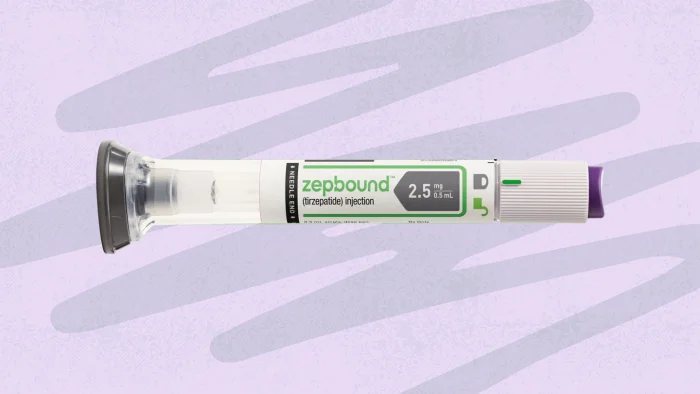
2025 Coverage Changes
Several major insurers have tightened Zepbound requirements in 2025.
- CVS Caremark made Zepbound nonpreferred or excluded on some of its most common commercial formularies on July 1, 2025[1]; update: Since October 1, 2026, Zepbound is back on CVS Caremark’s commercial template formularies as an additional preferred option (plan sponsors can customize)
- BCBS Michigan ended all GLP-1 weight loss coverage January 1, 2025[2]
Always verify current requirements with your specific plan—rules change frequently.
WHAT YOU'RE ACTUALLY FACING
The Reality of Getting Approved
What Many Patients Don't Know About GLP-1 Prior Authorization
Initial GLP-1 prior authorization approval rates vary widely by insurer and plan. But here's what most people don't know: 65%+ of appeals for commercial insurance succeed—yet only about 10% of patients actually appeal.[6]
Translation: If you're denied, appeal. The odds are in your favor—but only if you actually do it.
Your Real Approval Odds by Insurer
| Insurer | Difficulty | Why | Your Best Move |
|---|---|---|---|
| UHC | Varies | No step therapy for many plans (but some employer plans exclude weight-loss drugs entirely) | Verify plan covers obesity first |
| BCBS | Varies | State-dependent; Michigan ended coverage | Check your specific state policy |
| Cigna | Moderate | Via Express Scripts | Use electronic submission |
| Aetna | Harder | Stricter step therapy since July 2025 | Document prior med failures thoroughly |
| CVS Caremark | Check Plan | Preferred again on commercial template formularies since October 1, 2026 (nonpreferred or excluded on some of the most common ones, July 2025 – September 2026) | Confirm your plan's formulary; some employer plans customize it |
How Long This Actually Takes
Start the process early. Don't wait until you're out of medication.
Your GLP-1 coverage,
denied approved
✓ Free Templates✓ Premium Support Available
I was denied coverage for...
Get starteddenied approved
Honest Care helps patients fight back:
Evidence-backed appeal letters — plus personalized guidance to appeal with confidence.
"I found Honest Care online and was very impressed with the letter... the appeal worked!"
"My Appeal was approved the next day. Thank you Honest Care!"
An Alternative Coverage Pathway
If your insurer won't cover Zepbound for weight loss, they may cover it for sleep apnea.
Zepbound is FDA-approved for obstructive sleep apnea (OSA) in adults with obesity. Some insurers that explicitly exclude obesity coverage DO cover the OSA indication.
Signs you might qualify:
- You snore loudly
- Your partner notices you stop breathing at night
- You wake up tired despite sleeping 7-8 hours
- You have daytime sleepiness
Next step: Ask your doctor about a sleep study. If you have 15+ breathing pauses per hour (AHI ≥15), you may qualify through this pathway. See full OSA requirements below →
WHAT YOU NEED TO KNOW
PA Requirements Overview
Getting prior authorization (PA) for Zepbound isn't a mystery—it's a checklist. Insurers have specific criteria, and if you meet them with proper documentation, approval is much more likely. If you don't, or your documentation is incomplete, you'll be denied.
This guide gives you the exact requirements by insurer, what documentation to gather, and how requirements differ based on whether you're seeking Zepbound for obesity, obstructive sleep apnea (OSA), or type 2 diabetes.
The Bottom Line
Most insurers require:
- BMI ≥30, or BMI ≥27 with a weight-related health condition
- 6 months of documented diet and exercise (actual records, not just your word)
- Step therapy—trying cheaper weight loss medications first and showing they didn't work
Initial approvals last 6 months. To renew, you must show you've lost at least 5% of your body weight.
2026 PA CRITERIA
Requirements by Insurer
Each insurer sets their own PA criteria. Here's what the major plans require as of April 2026:
| Insurer | BMI Required | Must Try Other Meds First? | Diet/Exercise Records | Approval Length |
|---|---|---|---|---|
| BCBS | ≥30, or ≥27 with health condition* | Yes (3-month trial) | 6 months required | 6 months |
| UnitedHealthcare | ≥30, or ≥27 with health condition | No drug step found in UHC's policy (2026 P 1114-23); check your plan | 6 months required | 6 months |
| Aetna | ≥30, or ≥27 with health condition | Some plans may require trying another drug first; check your plan’s criteria | 6 months program | 6 months |
| Cigna | ≥30, or ≥27 with health condition | Cigna plans may require step therapy; check your plan’s policy | 6 months required | 6 months |
| CVS Caremark | ≥30, or ≥27 with health condition | Some plans may require trying another drug first; check your plan’s criteria | 6 months required | 6 months |
| Humana | ≥30, or ≥27 with health condition | Yes (varies by plan) | 6 months required | 6 months |
What counts as a "weight-related health condition"? Type 2 diabetes, high blood pressure, high cholesterol, or sleep apnea.
*Some BCBS affiliates have stricter requirements. BCBS Michigan requires BMI ≥35 and ended GLP-1 weight loss coverage for most plans in January 2025.[2]
Note: Requirements vary by specific plan. Self-funded employer plans may have different criteria. Always verify with your plan directly.
Blue Cross Blue Shield (BCBS)
Key 2025 Change: BCBS Michigan ended all GLP-1 weight loss coverage for most plans effective January 1, 2025.[2] Requirements vary significantly by state affiliate.
- BMI: Typically ≥30, or ≥27 with a related health condition (some affiliates like Michigan require ≥35)
- Health conditions accepted: Type 2 diabetes, high blood pressure, high cholesterol, sleep apnea
- Must try first: 3-month trial of one cheaper medication (orlistat, phentermine, Contrave, or Qsymia)
- Diet/exercise: 6 months of documented program records
- To renew: Must lose at least 5% of body weight in first 6 months
Denied for not meeting BMI? See BMI criteria denial guide.
UnitedHealthcare (UHC)
Separate sleep apnea policy: UHC’s commercial sleep apnea policy (P 1475-3) is Zepbound-only: BMI ≥30 and an AHI, REI or RDI over 15, plus other conditions; 6-month first approval. If denied for obesity, the sleep apnea pathway may still work.[4]
- BMI: ≥30, or ≥27 with a related health condition
- Health conditions accepted: Type 2 diabetes, high blood pressure, sleep apnea, high cholesterol
- Must try first: No drug step found in UHC's policy (2026 P 1114-23); check your plan
- Diet/exercise: 6 months of supervised weight loss attempts
- To renew: Must lose at least 5% of body weight
Denied for "not medically necessary"? See medical necessity denial guide.
Aetna
Key 2025 Change: July 2025 update made it harder to skip the "try cheaper drugs first" requirement.[5]
- BMI: ≥30, or ≥27 with at least one related health condition
- Health conditions accepted: Type 2 diabetes, high blood pressure, high cholesterol, sleep apnea
- Must try first: Some plans may require trying another drug first; check your plan’s criteria (Aetna's standard weight-loss criteria show no drug step)
- Diet/exercise: 6 months of documented diet and exercise records
- To renew: Must lose at least 5% of body weight and keep taking the medication
Denied for step therapy? See step therapy denial guide.
Cigna
- BMI: ≥30, or ≥27 with a related health condition
- Health conditions accepted: Type 2 diabetes, high blood pressure, sleep apnea, high cholesterol
- Must try first: Cigna plans may require step therapy; check your plan’s policy
- Diet/exercise: Multiple documented attempts at supervised weight loss
- To renew: Must lose at least 5% of starting body weight
Denied for step therapy? See step therapy denial guide.
CVS Caremark: Check Your Plan's Formulary
Straight Talk
Since October 1, 2026, Zepbound is back on CVS Caremark’s commercial template formularies as an additional preferred option (plan sponsors can customize). From July 1, 2025 to September 30, 2026 it was nonpreferred or excluded on some of CVS Caremark's most common commercial formularies, with Wegovy preferred.[1] Employers and plans can customize their formulary, so some plans may still exclude Zepbound—check yours.
If your plan still excludes Zepbound:
- First request → Denied (this is standard—not personal)
- Appeal with detailed Letter of Medical Necessity → Higher success rate
- External review if appeal denied → Even better odds
Our advice: Don't waste months gathering perfect documentation for the initial submission. Submit a reasonable request, get the denial letter (you need it for your appeal), then build your comprehensive appeal case.
Official requirements (still technically apply):
- BMI: ≥30, or ≥27 with a related health condition
- Must try first: Some plans may require trying another drug first; check your plan’s criteria
- Diet/exercise: 6 months documented
Already denied? See formulary exclusion denial guide.
denied approved
Honest Care helps patients fight back:
Evidence-backed appeal letters — plus personalized guidance to appeal with confidence.
OBESITY VS. OSA VS. DIABETES
Requirements by Indication
Zepbound is FDA-approved for three indications, and PA requirements differ significantly depending on which one your doctor prescribes for:
| Requirement | For Obesity | For Sleep Apnea | For Type 2 Diabetes |
|---|---|---|---|
| BMI Required | ≥30, or ≥27 with health condition | ≥30 with confirmed sleep apnea | Diabetes diagnosis; BMI varies |
| Diet/Exercise Records | 6 months required | 6 months required | Less emphasized |
| Sleep Study Needed? | No | Yes (≥15 breathing pauses/hour) | No |
| Must Try First | Weight loss medications | Weight loss meds + CPAP machine | Diabetes medications |
| How Often Covered? | Often excluded | May be covered when obesity isn't | Usually covered |
Sleep Apnea Can Be a Coverage Pathway
Some insurers that won't cover Zepbound for weight loss will cover it for sleep apnea. If you have symptoms (snoring, daytime sleepiness, partner notices you stop breathing at night), ask your doctor about a sleep study. If you have 15+ breathing pauses per hour, you may qualify through this pathway.[4]
Indication-Specific Documentation
For Obesity Indication
- BMI ≥30, or ≥27 with a weight-related health condition
- Diagnosis codes your doctor will use: E66.01 (severe obesity), E66.9 (obesity), E66.3 (overweight)
- 6 months of documented diet and exercise attempts
- Records showing other weight loss medications didn't work
- A letter from your doctor explaining why you need Zepbound
For Sleep Apnea Indication
- Sleep study showing 15+ breathing pauses per hour (moderate-to-severe sleep apnea)
- BMI ≥30 with obesity documented
- Diagnosis codes: G47.33 (sleep apnea) + E66.* (obesity)
- Proof you tried a CPAP machine and it didn't work or you couldn't tolerate it
- Notes from a sleep specialist
- 6 months of diet/exercise records still usually required
For Type 2 Diabetes Indication
- Diagnosis of Type 2 Diabetes (ICD-10: E11.9)
- Recent A1C lab results
- Documentation of prior diabetes medication trials
- Endocrinologist notes preferred
- Lifestyle documentation may be less emphasized but still helpful
Note: For T2D, Mounjaro (same active ingredient) may be preferred on formulary. Coverage for Zepbound specifically for T2D varies widely.
WHAT TO GATHER BEFORE PA
Documentation Checklist
Most PA denials happen because of incomplete or missing documentation. Before your doctor submits PA, make sure these items are in your medical record:
Required for All Indications
- Height and weight measured within last 30 days
- BMI calculation written in your medical record
- Related health conditions officially diagnosed with codes:
- Obesity (E66.811, E66.812, E66.813)
- High blood pressure (I10)
- Type 2 Diabetes (E11.9)
- High cholesterol (E78.5)
- Sleep apnea (G47.33)
- 6 months of diet and exercise—needs actual records, not just your doctor saying you tried:
- Nutrition counseling notes
- Exercise or gym program records
- Dietitian visit notes
- Behavioral therapy records (if any)
Step Therapy Documentation
For each medication you tried before, your records should show:
- Which medication (orlistat, phentermine, Contrave, Qsymia, Saxenda, Wegovy)
- What dose you took
- How long you tried it (usually need at least 3 months)
- Why it didn't work:
- Didn't lose enough weight (less than 5%)
- Side effects were unbearable (describe which ones)
- Medical reason you couldn't take it
Pro tip: If you've used Mounjaro (same ingredient as Zepbound), document that—it often counts toward this requirement.
Lab Work
Recent labs (within 6-12 months) that support your case:
- A1C (hemoglobin A1c)—especially for diabetes/prediabetes
- Lipid panel—total cholesterol, LDL, HDL, triglycerides
- Fasting glucose
- Liver function tests (if relevant)
- Thyroid panel (if weight-related thyroid issues)
For Sleep Apnea: Sleep Study Requirements
- Sleep study results (either overnight at a lab or a home sleep test)
- Number of breathing pauses per hour—needs to be 15+ for moderate-to-severe sleep apnea
- Notes from a sleep doctor (sleep medicine or pulmonology)
- CPAP machine trial records—if required:
- Usage data showing how often you used it (usually need 4+ hours/night on 70%+ of nights)
- Why you stopped or why it didn't help
Letter of Medical Necessity
A strong Letter of Medical Necessity should include:
- Patient's weight history and BMI
- All relevant comorbidities and how obesity affects them
- Summary of failed lifestyle interventions
- Summary of failed medication trials
- Clinical rationale for why Zepbound specifically (vs. alternatives)
- Impact on quality of life
- Signed by prescriber (specialist endorsement strongest)
Common Mistakes That Cause Denials
- Missing diagnosis codes—obesity and other conditions must have official codes in your chart, not just be mentioned
- Old lab work—results older than 12 months may be rejected
- Vague diet/exercise notes—"patient advised to lose weight" isn't enough; need actual program records
- Incomplete medication history—must show which medication, what dose, how long, and exactly why it didn't work
- Weight in wrong units—some insurers want both pounds AND kilograms
- Asking for wrong coverage—requesting obesity coverage when your plan only covers sleep apnea
What Actually Gets Approved
Here's what can make the difference between approvals and denials:
❌ Weak Letter of Medical Necessity
"Patient has obesity and would benefit from Zepbound for weight management."
Vague, no specifics, doesn't address insurer criteria
✓ Strong Letter of Medical Necessity
"Patient (BMI 34.2, documented over 24 months) has failed 3 prior interventions: 6 months supervised diet/exercise with Noom Weight program (documented Jan-June 2024), 3-month trial of phentermine 37.5mg (discontinued due to tachycardia), and Contrave trial (inadequate response, <3% weight loss after 12 weeks). Obesity-related hypertension requires two medications (lisinopril 20mg, amlodipine 5mg). A1C 6.1% indicates prediabetes. Patient is an appropriate candidate for tirzepatide given documented GLP-1 receptor agonist mechanism and clinical profile matching FDA indication."
Specific BMI, documented timeline, exact medications with doses, specific failure reasons, comorbidities with current treatment
Documentation Red Flags That Trigger Denials
- "Patient reports..." instead of documented records
- Single BMI measurement instead of weight trend over time
- "Advised lifestyle changes" instead of actual program enrollment records with dates
- "Medication didn't work" instead of "lost only 2.1% body weight over 12 weeks on full dose"
- Missing dosage information for prior medication trials
- Generic statement instead of connecting obesity to specific comorbidity impact
For a detailed checklist you can print and take to your doctor, see our PA Documentation Checklist.
PRINT & SHARE WITH YOUR DOCTOR
Quick Reference Checklist
Zepbound PA Checklist
YOUR OPTIONS
Don't Meet Requirements?
If you don't meet your insurer's PA criteria—or you do but your documentation doesn't prove it—here's what you can do:
Fill Documentation Gaps
Work with your doctor to gather missing documentation. If you haven't completed 6 months of lifestyle modification, start now and document everything. If labs are outdated, get new ones.
Try a Different Indication
If your plan excludes obesity coverage but you have OSA symptoms, ask about a sleep study. The OSA indication may be covered when obesity isn't.
Request a Step Therapy Exception
All major insurers allow step therapy exceptions with proper documentation. If you have medical contraindications to required medications, or documented prior failures, your doctor can request an exception.
Appeal the Denial
You can only win an appeal you file. Over 65% of commercial insurance appeals succeed, yet fewer than 10% of patients ever appeal. If you believe you meet criteria but were denied, appeal with additional documentation addressing the specific denial reason.[6]
Consider Alternatives
If coverage isn't possible, explore self-pay options: LillyDirect ($299–$449/month), TrumpRx.gov (lists Lilly's own self-pay prices; orders go through LillyDirect), or Foundayo ($149–$299/month, oral).
For step-by-step appeal guidance, see our Zepbound Appeals Guide.
denied approved
Honest Care helps patients fight back:
Evidence-backed appeal letters — plus personalized guidance to appeal with confidence.
WHAT'S CHANGING
PA Requirements Outlook for 2026
Expect Tighter Requirements in 2026
Most insurers are not loosening Zepbound requirements—they're tightening or dropping coverage entirely. However, new direct-purchase options will bypass PA requirements altogether.
Confirmed for 2026
Health New England Dropping Coverage
Effective January 1, 2026, Health New England will no longer cover Zepbound, Wegovy, or Saxenda for Individual and Small Group members. No grandfathering of existing approvals—current PA holders will need alternative coverage.
No PA Grandfathering at Renewal
Point32Health and other insurers have confirmed there will be no grandfathering of prior authorizations at group anniversary dates in 2026. Even approved PAs must be reauthorized under new (potentially stricter) terms when your plan renews.
TrumpRx: Now Live — No PA Required
TrumpRx.gov launched February 5, 2026. TrumpRx lists the manufacturers’ own self-pay prices (not a separate, cheaper price): Zepbound (vials) orders go through LillyDirect at $299–$449/month—no prior authorization, no step therapy, no documentation required. Available to anyone regardless of insurance status.[11]
Foundayo: Oral GLP-1 Alternative (New)
Eli Lilly's Foundayo (orforglipron) received FDA approval April 1, 2026. Self-pay pricing is $149–$299/month by dose—daily pill, no injections, no PA required for cash pay.
Medicare Part D: GLP-1 Bridge (Live)
Since July 1, 2026, the Medicare GLP-1 Bridge covers Wegovy, Foundayo and the Zepbound KwikPen for eligible Part D enrollees at $50 per monthly fill, through December 31, 2027. Part D plans and pharmacies don’t opt in, and you don’t enroll separately; your prescriber must get prior authorization. The CMS BALANCE Model in Part D: Delayed, with no new start date.
Expected Requirement Changes
Stricter BMI Thresholds Possible
Following BCBS Michigan's move to BMI ≥35, other insurers may raise thresholds from ≥30 to ≥35. This would exclude patients with BMI 30-34 unless they qualify via comorbidity.
Longer Step Therapy Requirements
Some insurers may extend step therapy trials from 3 months to 6 months, or require trial of multiple medications before approving Zepbound. Document all prior medication trials thoroughly now.
Shorter Approval Periods
Insurers may reduce initial approval from 6 months to 3 months, requiring more frequent reauthorization and documentation of ongoing weight loss.
What Should You Do Now?
- Check 2026 coverage early: During open enrollment, verify your plan will still cover Zepbound in 2026
- Document everything meticulously: If requirements tighten, comprehensive documentation from 2025 will support your case
- Consider OSA pathway: Sleep apnea indication often has different (sometimes more stable) requirements than obesity
- Consider direct purchase options: TrumpRx.gov (lists Lilly's own self-pay prices) and Foundayo ($149–$299/month, oral) bypass PA requirements entirely
- Start renewal early: With no grandfathering, begin your renewal PA process well before current authorization expires
PA REQUIREMENTS
Frequently Asked Questions
Most insurers require BMI ≥30, or BMI ≥27 with at least one weight-related comorbidity (type 2 diabetes, hypertension, dyslipidemia, or obstructive sleep apnea). However, some plans like BCBS affiliates require BMI ≥35. Some plans allow using your highest documented BMI (not just current)—check your specific plan's criteria. Note: Many employer plans exclude weight-loss drugs entirely regardless of BMI.
Usually, yes. Most insurers require "step therapy"—a documented 3-month trial of at least one lower-cost anti-obesity medication (orlistat, phentermine, Contrave, or Qsymia). You must document why it failed (insufficient weight loss or intolerable side effects). If you've previously used Mounjaro, that often counts toward step therapy since it has the same active ingredient.
Key documentation includes: current height/weight with BMI calculation (within 30 days), comorbidity diagnoses with ICD-10 codes, 6 months of documented lifestyle modification (diet/exercise program records, not just attestation), prior medication trials with dosage, duration, and failure reason, and often a Letter of Medical Necessity from your prescriber.
Possibly. Zepbound is FDA-approved for obstructive sleep apnea (OSA) in adults with obesity. Some insurers that exclude weight loss coverage will cover the OSA indication. You'll need a sleep study showing AHI ≥15 events/hour and documentation of PAP therapy trial. Ask your doctor if this pathway might work for you.
Most insurers approve Zepbound for an initial 6-month period. For renewal, you typically must demonstrate ≥5% weight loss from baseline and continued adherence to therapy. Some plans may have different requirements—check your specific plan's renewal criteria.
You have options: 1) Fill documentation gaps and resubmit, 2) Request a step therapy exception if you have medical contraindications, 3) Explore the OSA indication if applicable, 4) Appeal the denial. If coverage isn't possible, consider self-pay: LillyDirect ($299–$449/month), TrumpRx.gov (lists Lilly's own self-pay prices), or Foundayo ($149–$299/month, oral).
YOUR PATH FORWARD
What's Next
References
- CVS Caremark. (2025). "GLP-1 Formulary Changes." Effective July 1, 2025. caremark.com
- Blue Cross Blue Shield of Michigan. (2024). "2025 Coverage Change for GLP-1 Drugs to Treat Obesity." Provider Alert, September 2024. bcbsm.com
- Kaiser Family Foundation. (2025). "Claims Denials and Appeals in ACA Marketplace Plans in 2023." kff.org
- UnitedHealthcare. (2025). "Zepbound (tirzepatide) – Obstructive Sleep Apnea Only." Prior Authorization Criteria, March 2025. uhcprovider.com
- Aetna. (2024). "Zepbound PA with Limit 6192-C P08-2024." aetna.com
- American Medical Association. (2024). "Over 80% of Prior Auth Appeals Succeed—Why Aren't There More?" Note: 80%+ rate is for Medicare Advantage; commercial insurance appeal success rates are approximately 65%+ based on KFF analysis. ama-assn.org
- Eli Lilly. (2025). "Zepbound Prior Authorization Resource Guide." zepbound.lilly.com
- GoodRx. (2025). "Insurance Coverage for GIP and GLP-1 Agonists Like Zepbound." goodrx.com
- UnitedHealthcare. (2024). "Plans with Weight Loss/Appetite Suppression Medication Coverage." uhcprovider.com
- Staffingly. (2025). "Eligibility and Prior Authorization for Wegovy and Zepbound." staffingly.com
- TrumpRx.gov. (February 2026). Federal site for GLP-1 medications, launched February 5, 2026; it lists manufacturers' own self-pay prices. trumprx.gov
Last updated October 6, 2026 · Key facts verified October 2, 2026
Disclaimer
The information on this page is for educational and informational purposes only and is not intended as medical advice. Honest Care does not provide medical diagnosis, treatment, or individualized recommendations. Always seek the advice of your physician or other qualified healthcare professional regarding any medical condition or treatment.
While this content has been reviewed for accuracy and balance, new evidence may emerge after publication. Drug availability, indications, and insurance coverage can change over time. Honest Care makes no warranties as to completeness or currentness of the information and is not responsible for decisions made based on this content.