
QUICK COMPARISON
What's the Difference?
The Short Answer
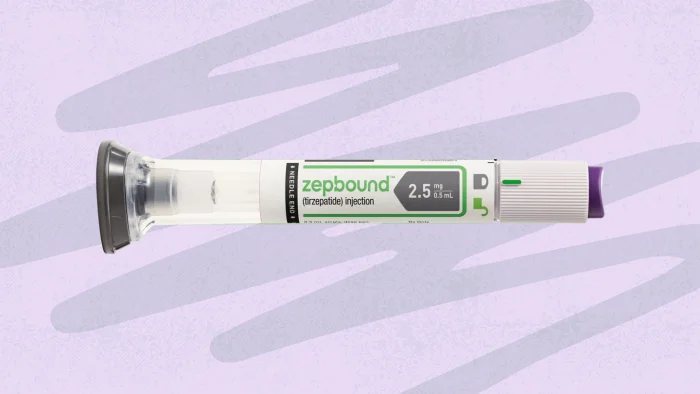
Zepbound and Mounjaro are the exact same medication — both contain tirzepatide, made by Eli Lilly. The only difference is what they're FDA-approved to treat: Zepbound for weight loss, Mounjaro for type 2 diabetes.
This distinction matters because insurance companies treat them very differently — and understanding why can help you get coverage for the medication you need.
| Feature | Zepbound | Mounjaro |
|---|---|---|
| Active Ingredient | Tirzepatide | Tirzepatide |
| Manufacturer | Eli Lilly | Eli Lilly |
| FDA Approval | Weight management, Sleep apnea (OSA) | Type 2 diabetes |
| How It Works | Dual GIP/GLP-1 agonist | Dual GIP/GLP-1 agonist |
| Dosing | Weekly injection (2.5–15 mg) | Weekly injection (2.5–15 mg) |
| List Price | ~$1,086/month | ~$1,080/month |
| Insurance Coverage | Limited (weight loss exclusions common) | Better (diabetes coverage standard) |
For more on how Zepbound compares to other weight loss medications, see our Zepbound alternatives guide.
SAME DRUG, DIFFERENT LABELS
Mounjaro vs Zepbound: What's the Real Difference?
Whether you're searching for "Mounjaro vs Zepbound" or "Zepbound vs Mounjaro," here's the key insight: they're the same medication with different FDA approvals.
This creates a unique situation for patients:
- If you have type 2 diabetes: Mounjaro may be easier to get covered since diabetes medications are routinely approved
- If you need weight loss coverage: Zepbound is the FDA-approved option, but many plans exclude weight loss drugs
- If you're already on Mounjaro: You're taking the same active ingredient—no need to switch unless insurance requires it
- If your doctor prescribes one but insurance wants the other: The "insurance arbitrage" section below explains your options
Understanding this distinction is critical for navigating insurance coverage—read on for the full breakdown.
UNDERSTANDING TIRZEPATIDE
Same Molecule, Different Approvals
Tirzepatide is a dual GIP/GLP-1 receptor agonist — the first medication in its class to target both hormones simultaneously. This dual action is why it's so effective for both blood sugar control and weight loss.
How Tirzepatide Works
GLP-1 (Glucagon-Like Peptide-1)
Mimics the natural gut hormone that:
- Stimulates insulin release when blood sugar is high
- Slows stomach emptying (so you feel full longer)
- Reduces appetite signals to the brain
GIP (Glucose-Dependent Insulinotropic Polypeptide)
The "second incretin" that:
- Enhances insulin secretion beyond GLP-1 alone
- May improve fat metabolism
- Contributes to the superior weight loss seen in trials
FDA Approval Timeline
| Date | Drug | Indication |
|---|---|---|
| May 2022 | Mounjaro | Type 2 diabetes (glycemic control) |
| November 2023 | Zepbound | Chronic weight management (obesity/overweight)[6] |
| December 2024 | Zepbound | Obstructive sleep apnea (OSA) in adults with obesity[10] |
Clinical Trial Results
| Trial | Population | Key Results |
|---|---|---|
| SURPASS (Mounjaro) | Type 2 diabetes | HbA1c reduction ~2%; weight loss 7-13% |
| SURMOUNT-1 (Zepbound) | Obesity without diabetes | 20.9% weight loss at 72 weeks (15mg) |
| SURMOUNT-2 (Zepbound) | Obesity + type 2 diabetes | 15.7% (10mg) to 17.8% (15mg) weight loss; improved glycemic control |
Sources: SURMOUNT-1[1], SURMOUNT-2[11], and SURPASS[2] trial publications
HOW TO USE THE LABEL DIFFERENCE TO YOUR ADVANTAGE
The Same-Drug Insurance Arbitrage
Same Drug, Different Coverage
Zepbound and Mounjaro are identical medications—same molecule, same doses, same manufacturer. But Mounjaro is covered by most insurance plans while Zepbound is often excluded. This creates an arbitrage opportunity if you qualify for both indications.
The Arbitrage Strategy
If you have both obesity AND type 2 diabetes (or prediabetes), you may be able to get the same medication covered by choosing the right label:
Check Your Diagnoses
Do you have obesity AND diabetes/prediabetes? If yes, you qualify for either drug.
Check Zepbound Coverage First
If your plan covers weight loss medications, Zepbound is the right choice—it's approved for your obesity.
If Denied: Switch to Mounjaro
Ask your doctor to prescribe Mounjaro for your diabetes instead. Same medication, but now billed as a diabetes drug—which most plans cover.
This Is Legal and Common
Prescribing Mounjaro for a patient with diabetes who will also benefit from weight loss is standard medical practice. Your doctor is simply choosing the indication that matches your insurance coverage. You get the same medication either way.
When This Strategy Works
| Your Situation | Strategy | Why It Works |
|---|---|---|
| Obesity + Type 2 Diabetes | Request Mounjaro for diabetes | Diabetes drugs are well-covered; you'll still lose weight |
| Obesity + Prediabetes | Ask about Mounjaro for glucose control | Some plans may cover for diabetes prevention |
| Currently on Mounjaro, plan adds exclusion | Stay on Mounjaro (diabetes indication) | Harder to deny continuation of effective treatment |
| Obesity only (no diabetes) | Must use Zepbound | Can't use Mounjaro without diabetes diagnosis |
Step Therapy Bypass
Another advantage: if you're already on Mounjaro for diabetes and want to switch to Zepbound (or vice versa), insurers typically don't require step therapy because you're already on the same molecule.
For detailed insurance guidance, see our insurance coverage guides. If the arbitrage strategy doesn't work and you're denied, 65%+ of appeals succeed with proper documentation.
Your GLP-1 coverage,
denied approved
If your Zepbound was denied, you have the right to appeal. Honest Care can help you build a strong case.
Denied coverage?
Get Appeal HelpPRICING & SAVINGS
Cost Comparison
Without insurance, Zepbound and Mounjaro cost nearly the same. The real difference is what you'll actually pay.
List Prices (2026 Approximate)
| Pricing Scenario | Zepbound | Mounjaro |
|---|---|---|
| List Price (monthly) | ~$1,086 | ~$1,080 |
| With Insurance + Savings Card* | As low as $25/month | As low as $25/month |
| Self-Pay Vials (Zepbound only) | $299–$449/month** | Not available |
| GoodRx/Cash Price (pens) | ~$995/month | ~$950–1,000/month |
*For eligible commercially insured patients only. Not available for government insurance (Medicare, Medicaid, Tricare).
**LillyDirect self-pay vial pricing (Dec 2025); see dose-specific pricing below.
Lilly Savings Programs
Zepbound Savings Card
- With commercial insurance: Pay as little as $25
- If your commercial plan doesn't cover Zepbound: Pay as low as $499/month for the single-dose pen
- Not eligible: Medicare, Medicaid, TRICARE, or other government programs
Mounjaro Savings Card
- With commercial insurance: Pay as low as $25/month
- Maximum monthly savings: $500–800
- Not eligible: Medicare, Medicaid, TRICARE, or other government programs
Zepbound Self-Pay Vials (LillyDirect)
Eli Lilly offers single-dose vials for self-pay patients without insurance coverage:
Current LillyDirect pricing (as of December 2025):
- 2.5 mg: $299/month
- 5 mg: $399/month
- 7.5 mg – 15 mg: $449/month (refill within 45 days)
Prices reduced December 2025 from prior $349–$499 range.
Available through LillyDirect or Walmart pharmacy pickup.[4]
For complete pricing details, see our Zepbound cost guide.
DECISION GUIDE
Which Should You Take?
Since Zepbound and Mounjaro are identical medications, your choice often comes down to your diagnosis and what your insurance will cover.
Decision Guide
| Your Situation | Best Option | Why |
|---|---|---|
| Type 2 diabetes (with or without obesity) | Mounjaro | FDA-approved for your condition; insurance more likely to cover |
| Obesity without diabetes | Zepbound | FDA-approved for weight management; Mounjaro would be off-label |
| Obesity + sleep apnea | Zepbound | FDA-approved for both conditions (as of Dec 2024) |
| Medicare beneficiary with diabetes | Mounjaro | Mounjaro covered for diabetes through Part D; a type 2 diabetes diagnosis rules out the Medicare GLP-1 Bridge |
| Insurance excludes weight loss drugs | Discuss with doctor | If you have diabetes or prediabetes, Mounjaro may be covered |
Important Note
Talk to your healthcare provider about which medication makes sense for your situation. They can help navigate insurance requirements and ensure you're prescribed the medication that aligns with your diagnosis and coverage.
WHAT YOU NEED TO KNOW
Switching Between Zepbound and Mounjaro
Because both medications contain identical tirzepatide, switching between them is straightforward — but requires a new prescription.
How to Switch
Get a New Prescription
Your doctor must write a new prescription for the other medication, with the appropriate diagnosis code for your condition.
Continue Your Current Dose
No titration restart needed. If you're taking 7.5 mg of Zepbound, you can continue with 7.5 mg of Mounjaro (or vice versa).
Check Insurance Coverage
Verify the new medication is covered under your plan before filling. Prior authorization may be required.
Common Reasons for Switching
- Insurance formulary change: Your insurer adds or removes one medication
- New diagnosis: Developing type 2 diabetes may make Mounjaro the better-covered option
- Coverage denial: Switching to the version that matches your primary diagnosis
- Cost changes: New savings programs or formulary tiers
Safety Note
Since both drugs are identical tirzepatide, switching has no additional safety concerns. You'll continue experiencing the same effects and side effects as before.[5]
COMMON QUESTIONS
Frequently Asked Questions
Yes. Zepbound and Mounjaro are both tirzepatide, manufactured by Eli Lilly. The only difference is the FDA-approved indication: Zepbound is approved for chronic weight management and sleep apnea, while Mounjaro is approved for type 2 diabetes. The medication itself — dosing, formulation, and delivery — is identical.
Pharmaceutical companies often use different brand names for medications with multiple approved uses. This helps distinguish the target condition and simplifies insurance billing. In this case, having separate brands allows Eli Lilly to market tirzepatide specifically to diabetes patients (Mounjaro) and weight management patients (Zepbound).
They are equally effective because they are the exact same medication. Clinical trials show tirzepatide achieves 20.9% weight loss at the highest dose in patients without diabetes (SURMOUNT-1) and up to 17.8% in patients with type 2 diabetes (SURMOUNT-2). Your results depend on your individual health profile, not which brand you're prescribed.
Yes. Since both contain identical tirzepatide, switching is straightforward. You'll need a new prescription from your doctor, but you can continue at your current dose without restarting titration. The main reasons people switch are insurance coverage changes or new diagnoses.
Insurance companies follow FDA approval indications. Mounjaro is approved for type 2 diabetes — a condition virtually all insurance plans cover. Zepbound is approved for weight management, and many commercial plans exclude weight loss medications. Medicare update (2026): the Medicare GLP-1 Bridge covers the Zepbound KwikPen (not Mounjaro) for weight loss at $50 per monthly fill for eligible beneficiaries, with conditions. Part D plans and pharmacies don’t opt in, and you don’t enroll separately; your prescriber must get prior authorization.
YOUR PATH FORWARD
What's Next
Learn More About These Medications
Explore complete guides for coverage, costs, and appeals:
Your GLP-1 coverage,
denied approved
✓ Free Templates✓ Premium Support Available
I was denied coverage for...
Get startedWHAT'S CHANGING
Zepbound vs Mounjaro: 2026 Outlook
Medicare and weight-loss GLP-1s: the Medicare GLP-1 Bridge
Through the Medicare GLP-1 Bridge (July 1, 2026 – December 31, 2027), a temporary CMS demonstration that runs outside the Part D benefit, people with eligible Part D coverage can get Wegovy, Foundayo or the Zepbound KwikPen for weight loss for $50 a month, if they meet CMS’s eligibility criteria and their prescriber gets prior authorization.
- Zepbound: Zepbound KwikPen only (not vials or single-dose pens).
- Who qualifies: Age 18+ and BMI ≥35; or BMI ≥30 with HFpEF, uncontrolled high blood pressure or CKD stage 3a+; or BMI ≥27 with prediabetes, a prior heart attack or stroke, or symptomatic PAD.
- Who doesn’t: Not eligible if you have type 2 diabetes, moderate-to-severe obstructive sleep apnea, or noncirrhotic MASH with moderate-to-advanced liver fibrosis (F2–F3), or if your Part D plan paid for a GLP-1 for you at any time in 2026.
- Cost: $50 per monthly fill. Does not count toward the Part D deductible or out-of-pocket cap. Extra Help (LIS) does not lower it. Not eligible for the Medicare Prescription Payment Plan. Coupons and discount programs can’t be applied.
- No opt-in needed: Part D plans and pharmacies don’t opt in, and you don’t enroll separately; your prescriber must get prior authorization.
- If it’s denied: No appeals process for a Bridge prior-authorization denial: your prescriber can resubmit with more information (Part D appeal rights for Part D coverage decisions still apply).
Source: CMS, Medicare GLP-1 Bridge · Facts in this box verified October 5, 2026
Medicare Coverage Updates (2026)
- Medicare GLP-1 Bridge (July 1, 2026 – December 31, 2027): covers Wegovy (injection and pill), Foundayo, and the Zepbound KwikPen for weight loss. Mounjaro is not a Bridge drug.
- Cost: $50 per monthly fill for eligible beneficiaries
- Eligibility: Age 18+ and BMI ≥35; or BMI ≥30 with HFpEF, uncontrolled high blood pressure or CKD stage 3a+; or BMI ≥27 with prediabetes, a prior heart attack or stroke, or symptomatic PAD. Not eligible if you have type 2 diabetes, moderate-to-severe obstructive sleep apnea, or noncirrhotic MASH with moderate-to-advanced liver fibrosis (F2–F3), or if your Part D plan paid for a GLP-1 for you at any time in 2026.
- BALANCE model in Part D: Delayed, with no new start date
- BALANCE model in Medicaid: Voluntary for states, which can join between May 2026 and January 1, 2027; no participating state has been confirmed
Note: Part D plans and pharmacies don’t opt in, and you don’t enroll separately; your prescriber must get prior authorization.
Commercial Insurance Trends
- Mounjaro for diabetes: Generally well-covered by most plans
- Zepbound for weight loss: Coverage improving but many exclusions remain
- Both medications: Increasing employer GLP-1 coverage (25%+ expected for 2026)
- Note: From July 1, 2025 to September 30, 2026, Zepbound was nonpreferred or excluded on CVS Caremark’s most common commercial formularies, with Wegovy preferred; Since October 1, 2026, Zepbound is back on CVS Caremark’s commercial template formularies as an additional preferred option (plan sponsors can customize). Some plans may still exclude it, so check your PBM formulary
If you have both diabetes and obesity, Mounjaro may be easier to get covered while treating both conditions.
Cash Pay Options
If insurance doesn't cover your preferred option:
- Zepbound via LillyDirect: $299–$449/month; available through LillyDirect or Walmart pickup
- Mounjaro: No LillyDirect self-pay option (only available through traditional pharmacy at list price)
References
- Jastreboff AM, et al. (2022). "Tirzepatide Once Weekly for the Treatment of Obesity." N Engl J Med. SURMOUNT-1 trial. https://pubmed.ncbi.nlm.nih.gov/35658024/
- Frías JP, et al. (2021). "Tirzepatide versus Semaglutide Once Weekly in Patients with Type 2 Diabetes." N Engl J Med. SURPASS-2 trial. https://pubmed.ncbi.nlm.nih.gov/34170647/
- GoodRx Research. (2025). "Insurance Coverage for GIP and GLP-1 Agonists Like Zepbound and Ozempic Remains Restrictive in 2025." https://www.goodrx.com/healthcare-access/research/tracking-insurance-coverage-weight-loss-meds
- Eli Lilly and Company. (2025). "Zepbound Access and Savings Options." https://zepbound.lilly.com/access
- SingleCare. (2025). "What to Know About Switching from Zepbound to Mounjaro." https://www.singlecare.com/blog/switching-from-zepbound-to-mounjaro/
- U.S. Food and Drug Administration. (2023). "FDA Approves New Medication for Chronic Weight Management." https://www.fda.gov/news-events/press-announcements/fda-approves-new-medication-chronic-weight-management
- STAT News. (2023). "Mounjaro, Zepbound: Why Two Names for the Same Drug?" https://www.statnews.com/2023/11/20/mounjaro-zepbound-story-behind-presciption-drug-names/
- Eli Lilly and Company. (2024). "Mounjaro Prescribing Information." https://pi.lilly.com/us/mounjaro-uspi.pdf
- Centers for Medicare & Medicaid Services. (2025). "CMS Launches Voluntary Model to Expand Access to Life-Changing Medicines, Promote Healthier Living." https://www.cms.gov/newsroom/press-releases/cms-launches-voluntary-model-expand-access-life-changing-medicines-promote-healthier-living
- U.S. Food and Drug Administration. (2024). "FDA Approves First Medication for Obstructive Sleep Apnea." https://www.fda.gov/news-events/press-announcements/fda-approves-first-medication-obstructive-sleep-apnea
- Frías JP, et al. (2023). "Tirzepatide versus Insulin Glargine in Type 2 Diabetes and Obesity." N Engl J Med. SURMOUNT-2 trial. https://pubmed.ncbi.nlm.nih.gov/37366315/
Last updated October 6, 2026
Disclaimer
The information on this page is for educational and informational purposes only and is not intended as medical advice. Honest Care does not provide medical diagnosis, treatment, or individualized recommendations. Always seek the advice of your physician or other qualified healthcare professional regarding any medical condition or treatment.
While this content has been reviewed for accuracy and balance, new evidence may emerge after publication. Drug availability, indications, and insurance coverage can change over time. Honest Care makes no warranties as to completeness or currentness of the information and is not responsible for decisions made based on this content.