
UNBIASED SIDE-BY-SIDE GUIDES
GLP-1 Medication Comparisons
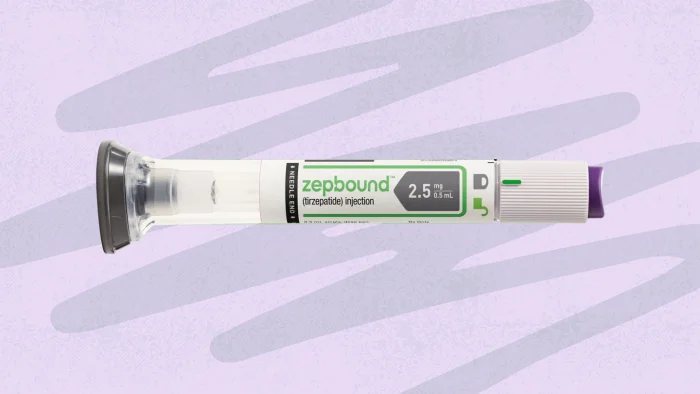
Choosing between GLP-1 medications like Zepbound, Wegovy, Ozempic, and Mounjaro can be confusing. Each has different FDA approvals, insurance coverage patterns, and effectiveness profiles. Our comparison guides break down the facts so you can make an informed decision with your doctor.
Why We Created This Hub
Drug comparisons should be neutral and evidence-based—not biased toward any particular medication or manufacturer. These guides focus on clinical trial data, real-world insurance coverage, and practical considerations for patients.
ALL GLP-1 MEDICATIONS AT A GLANCE
Quick Comparison Table
Here's how the major GLP-1 medications compare:
| Medication | Active Ingredient | FDA Approved For | Avg. Weight Loss | Dosing | List Price/Month |
|---|---|---|---|---|---|
| Zepbound | Tirzepatide | Weight loss (2023)[4] | 20.9%[1] | Weekly injection | ~$1,086[9] |
| Wegovy | Semaglutide 2.4mg | Weight loss (2021) | 14.9%[3] | Weekly injection or pill[8] | ~$1,349 |
| Ozempic | Semaglutide 1-2mg | Diabetes (2017) | 5-10%* | Weekly injection | ~$998 |
| Mounjaro | Tirzepatide | Diabetes (2022) | 20.9% | Weekly injection | ~$1,086 |
| Saxenda | Liraglutide 3mg | Weight loss (2014) | 5-8% | Daily injection | ~$1,349 |
*Ozempic weight loss reflects diabetes trial data; higher values seen with off-label use at maximum doses.
Key Insight
Zepbound and Mounjaro are the same medication (tirzepatide) with different FDA approvals. Wegovy and Ozempic are both semaglutide but at different doses. Understanding these relationships helps you navigate insurance coverage.
DEEP-DIVE INTO EACH MATCHUP
Detailed Comparison Guides
Wegovy vs Zepbound
Weight Loss FocusThe two FDA-approved weight loss GLP-1 medications compared head-to-head.
- SURMOUNT-5 head-to-head trial data
- 20.2% vs 13.7% weight loss at 72 weeks
- Insurance coverage comparison
- Oral Wegovy option (FDA approved Jan 2026)
Wegovy vs Ozempic
Same DrugBoth contain semaglutide—understand the dosing and coverage differences.
- Same ingredient (semaglutide by Novo Nordisk)
- Wegovy 2.4mg vs Ozempic max 2mg
- ~15% vs ~7% weight loss
- Oral Wegovy option (Jan 2026)
Wegovy vs Mounjaro
Different FDA UsesWeight loss vs diabetes medication—understand the key FDA approval distinction.
- Mounjaro only FDA-approved for diabetes
- Wegovy FDA-approved for weight loss
- Insurance coverage by indication
- Why Zepbound may be better for weight loss
Zepbound vs Ozempic
Different IndicationsWeight loss medication vs diabetes medication—key differences explained.
- FDA approval differences
- Dual vs single hormone mechanism
- Off-label use considerations
- Insurance coverage strategies
Zepbound vs Mounjaro
Same DrugSame active ingredient, different FDA labels—understand the coverage implications.
- Both are tirzepatide by Eli Lilly
- Why two brand names exist
- Insurance strategy based on indication
- Which to request from your doctor
Zepbound vs Saxenda
Dosing DifferenceWeekly vs daily injection—when older medications might still make sense.
- Weekly vs daily administration
- Efficacy comparison (20.9% vs 5-8%)
- Step therapy requirements
- Teen patient considerations
Ozempic vs Mounjaro
Diabetes FocusBoth FDA-approved for diabetes—compare off-label weight loss and coverage.
- Both approved for type 2 diabetes
- ~14-15% vs ~20-22% weight loss
- Single vs dual hormone mechanism
- Medicare and commercial coverage
Foundayo vs Zepbound
Oral vs InjectionDaily oral pill vs weekly injection—which GLP-1 approach is right for you?
- Orforglipron vs tirzepatide
- Once-daily pill vs weekly injection
- Expected 14-15% vs 20.9% weight loss
- Anticipated insurance coverage comparison
Foundayo vs Wegovy
Oral OptionsComparing Eli Lilly's new oral GLP-1 with Novo Nordisk's established option.
- Both have oral pill options
- Daily orforglipron vs daily semaglutide
- Expected similar efficacy profiles
- Different manufacturer ecosystems
COMMON COMPARISON QUESTIONS
Frequently Asked Questions
Zepbound (tirzepatide) has shown the highest weight loss in clinical trials at 20.9% average weight loss at the highest dose.[1] The SURMOUNT-5 head-to-head trial confirmed Zepbound produces 47% more weight loss than Wegovy (20.2% vs 13.7% at 72 weeks).[2] However, effectiveness can vary by individual, and the "best" medication is one you can access and afford consistently.
Yes. Zepbound and Mounjaro are identical medications—both contain tirzepatide and are made by Eli Lilly. The only difference is the FDA-approved indication: Zepbound for chronic weight management, Mounjaro for type 2 diabetes. This matters for insurance coverage, as many plans cover diabetes medications but exclude weight loss drugs.
You might choose Wegovy if: (1) Your insurance covers Wegovy but not Zepbound (From July 1, 2025 to September 30, 2026, Zepbound was nonpreferred or excluded on CVS Caremark’s most common commercial formularies, with Wegovy preferred; Since October 1, 2026, Zepbound is back on CVS Caremark’s commercial template formularies as an additional preferred option (plan sponsors can customize), but some plans may still exclude it)[5]; (2) You have heart disease and want the FDA-approved cardiovascular benefit; (3) You prefer a pill option (the Wegovy pill was approved December 22, 2025)[8]; or (4) You've tried Zepbound and experienced side effects.
Basic Medicare Part D coverage excludes drugs used for weight loss, so Part D plans don't cover Zepbound, Wegovy or Saxenda when prescribed for weight loss. However, the Medicare GLP-1 Bridge (July 1, 2026 – December 31, 2027) covers Wegovy (injection and pill), Foundayo, and the Zepbound KwikPen for weight loss for $50 per monthly fill, if you meet CMS's eligibility criteria (Saxenda, Ozempic and Mounjaro are not Bridge drugs). Ozempic and Mounjaro may be covered under Part D for type 2 diabetes, and Zepbound for moderate-to-severe obstructive sleep apnea (FDA-approved December 20, 2024), subject to the plan's formulary, prior authorization and exceptions process. CMS's BALANCE model in Part D has been delayed, with no new start date.[6]
Over 65% of GLP-1 appeals succeed with proper documentation.[10] Start by understanding your denial reason, then file an appeal with supporting evidence from your doctor. Honest Care provides free appeal letter templates and paid specialist-written appeals ($79) for patients who need help navigating the process.
Your GLP-1 coverage,
denied approved
✓ Free Templates✓ Premium Support Available
I was denied coverage for...
Get startedReferences
- American College of Cardiology. (2022). "SURMOUNT-1: Tirzepatide Once Weekly for the Treatment of Obesity." ACC.org
- Wilding JPH, et al. (2025). "Tirzepatide as Compared with Semaglutide for the Treatment of Obesity." N Engl J Med. SURMOUNT-5 trial. PubMed
- Wilding JPH, et al. (2021). "Once-Weekly Semaglutide in Adults with Overweight or Obesity (STEP 1)." N Engl J Med. PubMed
- U.S. Food and Drug Administration. (2023). "FDA Approves New Medication for Chronic Weight Management." FDA.gov
- CVS Caremark. (2025). "Enabling wider access to effective weight management treatment." CVS Caremark
- Centers for Medicare & Medicaid Services. (2025). "CMS Launches Voluntary Model to Expand Access to Life-Changing Medicines." CMS.gov
- Eli Lilly. (2025). "Zepbound showed superior weight loss over Wegovy in complete SURMOUNT-5 results." PRNewswire
- Novo Nordisk. (2026). "Wegovy pill, the first and only oral GLP-1 for weight loss in adults, now broadly available." Novo Nordisk
- GoodRx. (2026). "Zepbound Prices, Coupons & Savings Tips." GoodRx
- American Medical Association. (2023). "Prior authorization appeals success rates." AMA
Reviewed by Honest Care GLP-1 SpecialistsLast updated October 6, 2026
Disclaimer
The information on this page is for educational and informational purposes only and is not intended as medical advice. Honest Care does not provide medical diagnosis, treatment, or individualized recommendations. Always seek the advice of your physician or other qualified healthcare professional regarding any medical condition or treatment.
While this content has been reviewed for accuracy and balance, new evidence may emerge after publication. Drug availability, indications, and insurance coverage can change over time. Honest Care makes no warranties as to completeness or currentness of the information and is not responsible for decisions made based on this content.